
Looking for the best pest control in New York? Discover trusted local exterminators for bed bugs, roaches, rodents & more. Fast, affordable & effective service.

Best Pest Control in New York: Your Complete Guide to a Pest-Free Home or Business
New York City is one of the greatest cities in the world — but let’s be honest, it’s also one of the busiest cities for pests. From the cramped brownstones of Brooklyn to the high-rise apartments of Manhattan and the row houses of Queens, pests find a way to move in whether you want them or not. The good news? Finding the best pest control in New York has never been easier when you know what to look for.
Whether you’re dealing with a roach running across your kitchen counter at midnight, a mouse scratching behind the walls, or a sudden surge of bed bugs after a hotel stay, the right pest control company can make all the difference. This guide covers everything — from the most common pests in NYC to how to choose a trusted local exterminator, what it’ll cost you, and how to keep pests from coming back in the first place.
Table of Contents
- Why Pest Control Matters in New York
- Common Pest Problems in New York
- Residential Pest Control
- Commercial Pest Control
- Emergency Pest Control Services
- Same-Day Pest Control
- How Much Does Pest Control Cost in New York
- Why Choose Local Pest Control Professionals
- Signs You Need Professional Pest Control
- DIY vs Professional Pest Control
- Seasonal Pest Problems in New York
- Tips to Prevent Pest Infestations
- Frequently Asked Questions

Why Pest Control Matters in New York
New York doesn’t sleep — and neither do its pests. The city’s density, aging infrastructure, busy subway system, and constant flow of goods and people create the perfect conditions for pest activity year-round. According to data consistently cited by NYC public health officials, New York ranks among the top cities in the US for rodent complaints, bed bug infestations, and cockroach-related issues.
Beyond being a nuisance, pests are a genuine public health concern. Rats and mice carry hantavirus, salmonella, and leptospirosis. Cockroaches trigger asthma attacks, especially in children living in densely populated neighborhoods like the South Bronx and East Harlem. Bed bugs cause psychological distress and skin reactions. Termites silently destroy structural wood — causing thousands of dollars in damage before homeowners even know they’re there.
That’s why pest control in New York isn’t optional for most residents and business owners. It’s a regular part of maintaining a safe, healthy space.
Common Pest Problems in New York
New York’s climate swings between humid summers and cold winters, which pushes pests indoors for shelter and food. Here’s a breakdown of what locals deal with most often.
Ant Control
Ants are a warm-weather headache for New Yorkers from May through September. Ant control in New York most commonly targets pavement ants, odorous house ants, and carpenter ants. Carpenter ant control deserves special attention — these large black ants don’t eat wood, but they tunnel through it to build colonies, causing serious structural damage in older homes and apartment buildings.
If you spot a trail of small ants near your kitchen sink or baseboards, that’s a foraging trail, and it usually means a colony is nearby. A licensed ant exterminator in New York will locate the source, treat the colony directly, and seal entry points to prevent re-infestation.
Fire ant treatment is less common in New York compared to southern states, but cases have been reported in parts of Staten Island and Long Island. Don’t attempt to disturb a fire ant mound on your own — their bites are painful and the colonies are aggressive.
Cockroach Control
There is perhaps no pest more synonymous with New York City than the cockroach. Cockroach control in New York is one of the most in-demand services across all five boroughs. The German cockroach — small, fast, and incredibly prolific — is the dominant species found inside homes and restaurants. American cockroaches (the big ones New Yorkers jokingly call “water bugs”) thrive in basements, sewer systems, and subway tunnels.
A single female German cockroach can produce hundreds of offspring in her short lifetime. That’s why roach exterminator services emphasize getting ahead of the problem early. A professional doesn’t just spray — they use gel baits, insect growth regulators, and follow-up visits to break the reproduction cycle.
Cockroach removal from multi-unit apartment buildings requires coordination because roaches travel through shared walls, electrical conduits, and plumbing. A building-wide treatment plan is almost always more effective than treating a single unit.
Bed Bug Treatment
Bed bugs have been a persistent problem in New York City since the early 2000s, and they haven’t gone away. Bed bug treatment in New York ranks among the most requested pest control services in the city. NYC’s constant flow of tourists, travelers, and residents moving in and out of apartments keeps these pests circulating.
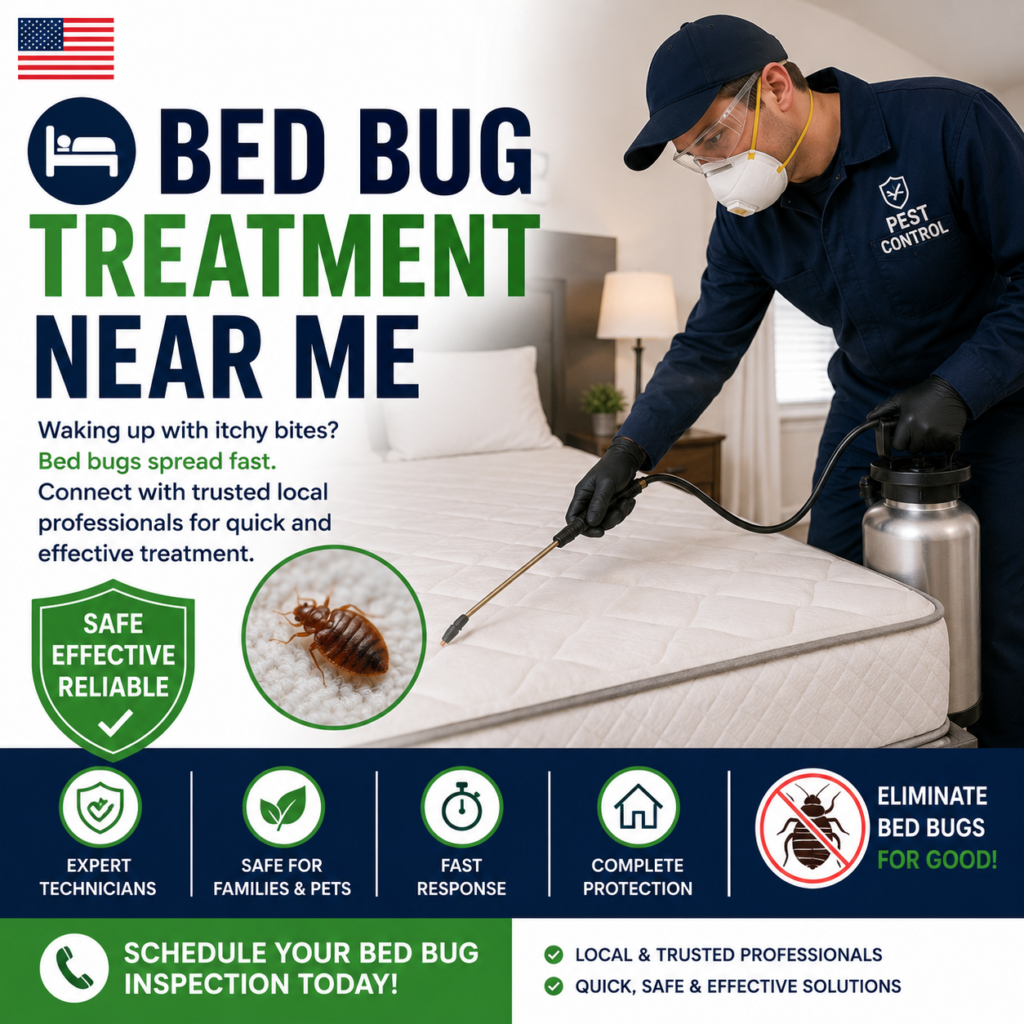
Bed bug inspection is the critical first step. A trained bed bug exterminator will check mattress seams, box springs, headboards, electrical outlets, and furniture joints — all the tight, dark spaces these insects prefer. Heat treatment is one of the most effective solutions, raising room temperatures to levels that kill bed bugs at every life stage, including eggs.
If you’ve been waking up with itchy welts arranged in a line or cluster, don’t wait. The faster you call for bed bug treatment, the easier the problem is to contain.
Termite Control
Termites may not be as flashy as cockroaches or as alarming as bed bugs, but they are arguably more destructive. Termite control in New York is particularly important for homeowners in Queens, Staten Island, and parts of Long Island where subterranean termite activity is documented.
A termite inspection is often the starting point. Professionals look for mud tubes along foundations, hollow-sounding wood, discarded wings near windowsills, and frass (termite droppings). Termite treatment options include liquid termiticide barriers, bait stations, and foam applications in wall voids.
Every homeowner should schedule a termite inspection at least once a year — these insects cause an estimated $5 billion in property damage nationwide annually, and most homeowner insurance policies don’t cover it.
Rodent Removal
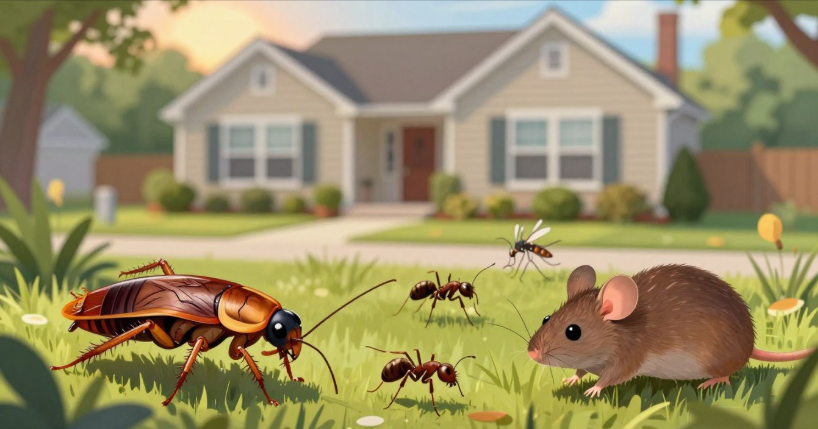
Ask any New Yorker what pest bothers them most, and the answer is usually rats or mice. Rodent removal in New York is one of the city’s biggest public health challenges, and the problem is only growing in neighborhoods undergoing rapid construction, which displaces existing colonies.
Mouse control in apartments often involves snap traps, glue boards, exclusion work, and bait stations. For larger infestations, a rat exterminator will conduct a full property inspection to find entry points — gaps around pipes, cracks in the foundation, missing vent covers — and seal them permanently. Mice removal in NYC row houses and brownstones often requires both interior and exterior treatment because mice can squeeze through a hole the size of a dime.
If you’re hearing scratching at night, finding droppings along baseboards, or noticing gnaw marks on food packaging, it’s time to call a licensed rodent control professional.
Most spiders found in New York homes are harmless, but that doesn’t mean residents want them around. Spider control in New York usually targets house spiders, cellar spiders, and the occasional wolf spider that wanders in from a yard or garden.
A spider exterminator treats web-building areas, entry points, and the dark corners where spiders set up shop. Importantly, spiders follow their food source — if you have a spider problem, you likely have a secondary pest issue (like flies or small insects) feeding them. A comprehensive pest inspection can identify the root cause.
Mosquito Control
Summers in New York bring humid heat, and with that comes mosquitoes. Mosquito control in New York has grown more urgent in recent years with ongoing concerns about West Nile virus and other mosquito-borne illnesses. Standing water in backyards, flower pots, clogged gutters, and community gardens creates ideal breeding conditions.
Mosquito treatment options include larvicide applications to standing water, barrier sprays on shrubs and grass, and misting systems for properties where outdoor entertaining is a priority. Backyard gatherings in Staten Island, the outer boroughs, and upstate New York suburbs can be significantly more comfortable with a seasonal mosquito control plan.
Bee & Wasp Removal
Warm months bring wasps and bees, and their nests can pop up in the most inconvenient spots — under eaves, inside wall voids, in attic spaces, and underground. Wasp nest removal should always be handled by a professional because disturbing a nest without the right protective gear and treatment approach can trigger a swarm.
Bee removal is handled differently depending on the species. Honeybees are protected pollinators, and responsible pest control professionals will attempt live removal and relocation when possible. Yellow jackets and hornets, however, are aggressive and require a different approach.
Hornet nest removal in New York is especially common in late summer when colonies are at their largest and most defensive. Don’t wait on this one — a nest near a doorway or children’s play area is a genuine safety hazard.
Flea & Tick Control
Pet owners across New York know the frustration of bringing fleas indoors. Flea control in NYC apartments can be tricky because fleas reproduce quickly and their eggs can survive in carpet fibers and furniture for months. A professional treatment typically involves both an adulticide and an insect growth regulator to break the flea life cycle.
Tick control is particularly relevant for residents in suburban areas of Westchester, Long Island, and New Jersey who back up to wooded areas. Lyme disease, carried by the black-legged deer tick, is a serious health risk. A yard treatment to reduce tick populations in grass, leaf litter, and wooded edges can significantly lower your risk.

Residential Pest Control
Your home is your sanctuary, and a pest infestation violates that sense of safety fast. Residential pest control in New York covers everything from one-time treatments for a specific problem to ongoing quarterly or monthly service agreements.
The best pest control companies for homes take a customized approach. They inspect your entire property — not just the room where you spotted the problem — and develop a treatment plan that addresses current activity and prevents future issues. Look for companies that use family-safe pest control and eco-friendly pest control products, especially if you have children, pets, or anyone with chemical sensitivities in the household.
Home pest control services in NYC often bundle multiple pest types into a single plan, which can be more cost-effective than calling for individual treatments every time a new issue arises.
Commercial Pest Control
Businesses in New York operate under strict Department of Health regulations, and a pest sighting can mean violations, failed inspections, and serious reputational damage. Commercial pest control covers restaurants, hotels, office buildings, warehouses, schools, healthcare facilities, and retail spaces.
The stakes are higher in a commercial setting. A single rat sighting posted on social media can destroy a restaurant’s reputation overnight. That’s why the best commercial pest control companies in New York offer discreet, scheduled service — often after business hours — with detailed documentation for compliance purposes.
Integrated Pest Management (IPM) is the gold standard for commercial clients. It emphasizes prevention, monitoring, and targeted treatment rather than blanket chemical application — a smarter, safer approach that satisfies both health inspectors and the public.

Emergency Pest Control Services
Some situations simply cannot wait for a scheduled appointment. Emergency pest control in New York is available for situations like a wasp nest discovered near a children’s playground, a large rodent infestation in a food service area, or a sudden, severe bed bug outbreak.
24/7 pest control services exist precisely for these moments. When you call an emergency line, a licensed technician should be able to give you a same-day or next-morning appointment, assess the situation, and provide immediate treatment to stabilize the problem.
If you’re in this situation, be as specific as possible when you call — describe what you saw, where, how many, and whether anyone has been stung, bitten, or otherwise affected. That information helps the exterminator arrive prepared.
Same-Day Pest Control
Many reputable pest control companies in New York now offer same-day pest control for both residential and commercial clients. This is especially valuable for renters and homeowners dealing with a problem that’s disrupting daily life — a mouse in the kitchen, roaches in the bathroom, or bees that have set up camp in the wall outside the front door.
Same-day service typically costs a bit more than a standard scheduled appointment, but the peace of mind is worth it for many New Yorkers. When you’re looking for fast pest removal, ask specifically about same-day availability when you call.

How Much Does Pest Control Cost in New York
This is one of the most common questions people search for, so here’s a straight answer: pest control costs in New York vary based on pest type, property size, severity of infestation, and treatment method.
Here’s a general breakdown of what to expect:
| Service | Typical Cost Range |
|---|---|
| General pest inspection | $75 – $150 |
| One-time cockroach treatment | $150 – $350 |
| Bed bug heat treatment | $1,000 – $3,000+ |
| Termite inspection | $75 – $150 |
| Termite treatment (liquid/bait) | $500 – $2,500+ |
| Rodent control (initial visit) | $150 – $400 |
| Wasp/hornet nest removal | $100 – $300 |
| Mosquito seasonal plan | $400 – $1,200/season |
| Monthly pest service agreement | $50 – $150/month |
Affordable pest control doesn’t mean cutting corners — it means finding a licensed company that offers transparent pricing, no hidden fees, and treatment plans tailored to your actual problem. Always get at least two quotes before committing, and make sure the company is licensed by New York State’s Department of Environmental Conservation (DEC).

Why Choose Local Pest Control Professionals
When you search for a pest exterminator near me, you’re going to get a mix of national franchise companies and local independent operators. Both can be good — but local pest control professionals have some distinct advantages.
A local exterminator knows New York. They understand which pests are most active in which neighborhoods, how building construction in different boroughs affects infestation patterns, and what seasonal conditions are driving current activity. They’ve likely treated buildings on your street, and their reputation is built on word-of-mouth from your neighbors.
Local pest control services also tend to offer more personalized service. You’re not a ticket number — you’re a customer who might refer their friends and family. That accountability matters.
When evaluating any company, look for:
- NYS DEC pesticide applicator license
- Liability insurance
- Clear, written estimates
- Follow-up visits included in the plan
- Good reviews on Google and Yelp from local customers
Licensed pest control experts will always be willing to show you their credentials. If a company hesitates, that’s a red flag.
Signs You Need Professional Pest Control
It can be tempting to grab a can of spray from the hardware store and hope for the best. But there are several clear signals that it’s time to call in a professional.
You should contact a pest removal expert if you notice:
- Droppings in your kitchen, pantry, or along baseboards
- Gnaw marks on food packaging, furniture, or wiring
- Rustling or scratching noises inside walls, especially at night
- Mud tubes running along your foundation or walls (termites)
- Red, itchy welts on your skin in a line or cluster upon waking
- Swarms of insects appearing suddenly indoors
- Wings or dead insects collected near windowsills
- A musty, oily, or sweet odor without an obvious source (often cockroaches or rodents)
- Visible damage to wooden beams, floors, or structural elements
Any one of these signs warrants at minimum a pest inspection by a qualified professional. Catching an infestation early almost always means a faster, less expensive treatment.
DIY vs Professional Pest Control
Let’s be direct: for most serious pest problems in New York, DIY solutions are a temporary fix at best. Here’s the honest comparison.
DIY Pest Control: Over-the-counter products can kill visible insects on contact, but they rarely address the source. A can of cockroach spray will kill the roaches you can see, but the colony in the wall behind your kitchen cabinets keeps breeding. Store-bought mouse traps work — but without sealing the entry points, new mice replace the ones you catch. DIY has a place for very minor issues and prevention, but it has real limitations.
Professional Pest Control: A licensed exterminator does a full assessment, identifies the pest species, locates the infestation source, applies targeted treatment, and typically provides a warranty or follow-up visit. They have access to professional-grade products and techniques — like exclusion work, bait systems, and heat treatments — that simply aren’t available in consumer products.
The math often works out in favor of professional treatment. A $50 DIY attempt that fails and allows a pest problem to grow for two more months can turn a $200 problem into a $1,500 one.
Seasonal Pest Problems in New York
New York’s four distinct seasons each bring their own pest activity patterns.
Spring (March – May): As temperatures warm, ants emerge and start foraging. Termite swarmers (reproductives) begin appearing — often mistaken for flying ants. Stinging insects start building new nests. This is a great time for a preventive pest inspection.
Summer (June – August): Peak season for mosquitoes, wasps, hornets, bees, and flies. Cockroach activity increases significantly in warm, humid conditions. Bed bug reports spike as travel increases.
Fall (September – November): Rodents, spiders, and stink bugs begin seeking warm indoor spaces as outdoor temperatures drop. This is the critical time to seal entry points and have rodent control measures in place before mice and rats move in for the winter.
Winter (December – February): Cockroaches remain active indoors year-round. Rodents are fully established inside homes and buildings. Bed bug activity continues regardless of weather, since it occurs almost entirely indoors.

Tips to Prevent Pest Infestations
The best pest control is the kind you never need to call for in the first place. Here are practical, New York–specific prevention tips from the pest control field:
1. Seal every gap. Mice enter through holes the size of a dime. Inspect the exterior of your home or apartment for gaps around pipes, utility lines, and the foundation. Use steel wool or caulk to seal small openings.
2. Don’t leave food out. In NYC, this cannot be overstated. Keep food in airtight containers, don’t leave pet food out overnight, and take the trash out daily.
3. Fix moisture issues. Cockroaches, silverfish, and many other pests are attracted to moisture. Fix leaky pipes, use bathroom fans, and check under sinks regularly.
4. Declutter. Cardboard boxes, piles of paper, and cluttered storage areas give pests both harborage and nesting material. In smaller NYC apartments, clutter is an especially significant risk factor.
5. Inspect secondhand furniture. Bed bugs are frequently introduced into NYC apartments through used furniture. Before bringing in any used mattress, couch, or bed frame, inspect it carefully — or hire a professional for a quick inspection.
6. Keep your building entry clean. Garbage near building entrances, recycling bins without lids, and debris near the foundation all attract pests. Report conditions to your building manager if you’re a renter.
7. Schedule regular pest inspections. Even if you don’t have an active problem, a professional pest inspection once or twice a year can catch early-stage issues before they escalate.
Frequently Asked Questions
1. What is the best pest control company in New York? The best company depends on your specific pest problem and location. Look for a licensed, insured exterminator with strong local reviews, transparent pricing, and experience treating the specific pest you’re dealing with. Local companies often provide more personalized service than national franchises.
2. How quickly can a pest control company come to my home in NYC? Many companies offer same-day or next-day service. Emergency pest control is available 24/7 from select providers, especially for urgent situations like wasp nests or significant rodent infestations.
3. Are the chemicals used in pest control safe for children and pets? Licensed professionals use EPA-registered products and follow application guidelines designed to minimize risk. Many companies offer eco-friendly and family-safe formulations. Always inform the exterminator about children, pets, or anyone with sensitivities before treatment begins.
4. How do I know if I have bed bugs? Common signs include small rust-colored stains on bedding, tiny dark spots (excrement) on mattress seams, a sweet musty odor, and bites that appear in a line or cluster. A professional bed bug inspection is the most reliable way to confirm an infestation.
5. How much does bed bug treatment cost in New York? Bed bug treatment in NYC typically ranges from $500 to $3,000+, depending on the treatment method (heat vs. chemical), the size of the space, and the severity of the infestation. Heat treatment is more expensive upfront but often resolves the issue in one visit.
6. Do I need to leave my home during pest control treatment? It depends on the treatment. Many treatments require you to leave for a few hours while the product dries or settles. Heat treatments for bed bugs typically require a full-day evacuation. Your exterminator will give you specific instructions.
7. What’s the difference between a rodent exterminator and a wildlife removal company? Rodent exterminators handle rats and mice using traps, bait, and exclusion methods. Wildlife removal companies handle larger animals like raccoons, squirrels, and opossums. You’ll need the right service for your specific situation.
8. How do I get rid of cockroaches in a NYC apartment? Professional treatment is the most effective approach. Gel bait, insect growth regulators, and follow-up visits over 2–3 months are typically required to fully eliminate a German cockroach infestation. DIY sprays often make the problem worse by scattering the colony.
9. Is pest control covered by my landlord in New York? Under New York City law, landlords of multiple-dwelling buildings are responsible for maintaining the property free of pests. However, enforcement varies. Document all pest issues in writing and report them to your landlord formally before pursuing legal remedies.
10. What causes termite infestations in New York? Subterranean termites in New York are attracted to moist soil, wood-to-soil contact, and water-damaged wood. Poor drainage around a foundation, old wooden mulch, and untreated lumber are common contributing factors.
11. Can I prevent mosquitoes in my NYC backyard? Yes. Eliminate standing water, keep gutters clean, use mosquito-repelling plants, and consider a professional barrier spray treatment at the start of the warm season. Seasonal mosquito control programs are available from local companies.
12. What’s the most effective termite treatment? Liquid termiticide barriers (like those using Termidor) and baiting systems (like the Sentricon system) are both highly effective. Your pest control company will recommend the best option based on your property’s construction, soil type, and infestation level.
13. How do I find a licensed pest control company in New York? Search for companies licensed by the New York State Department of Environmental Conservation (DEC). Ask to see a copy of their pesticide applicator license and certificate of insurance before hiring.
14. Are eco-friendly pest control options effective? Yes. Integrated Pest Management (IPM) approaches, botanical-based products, diatomaceous earth, heat treatments, and exclusion work can all be very effective — especially when combined. The key is choosing a company experienced in green pest control methods.
15. How often should I schedule pest control service? For most homes in NYC, quarterly service is a good baseline. Buildings with a history of pest issues, restaurants, and multi-unit properties often benefit from monthly service. Talk to your exterminator about a plan that fits your property and budget.