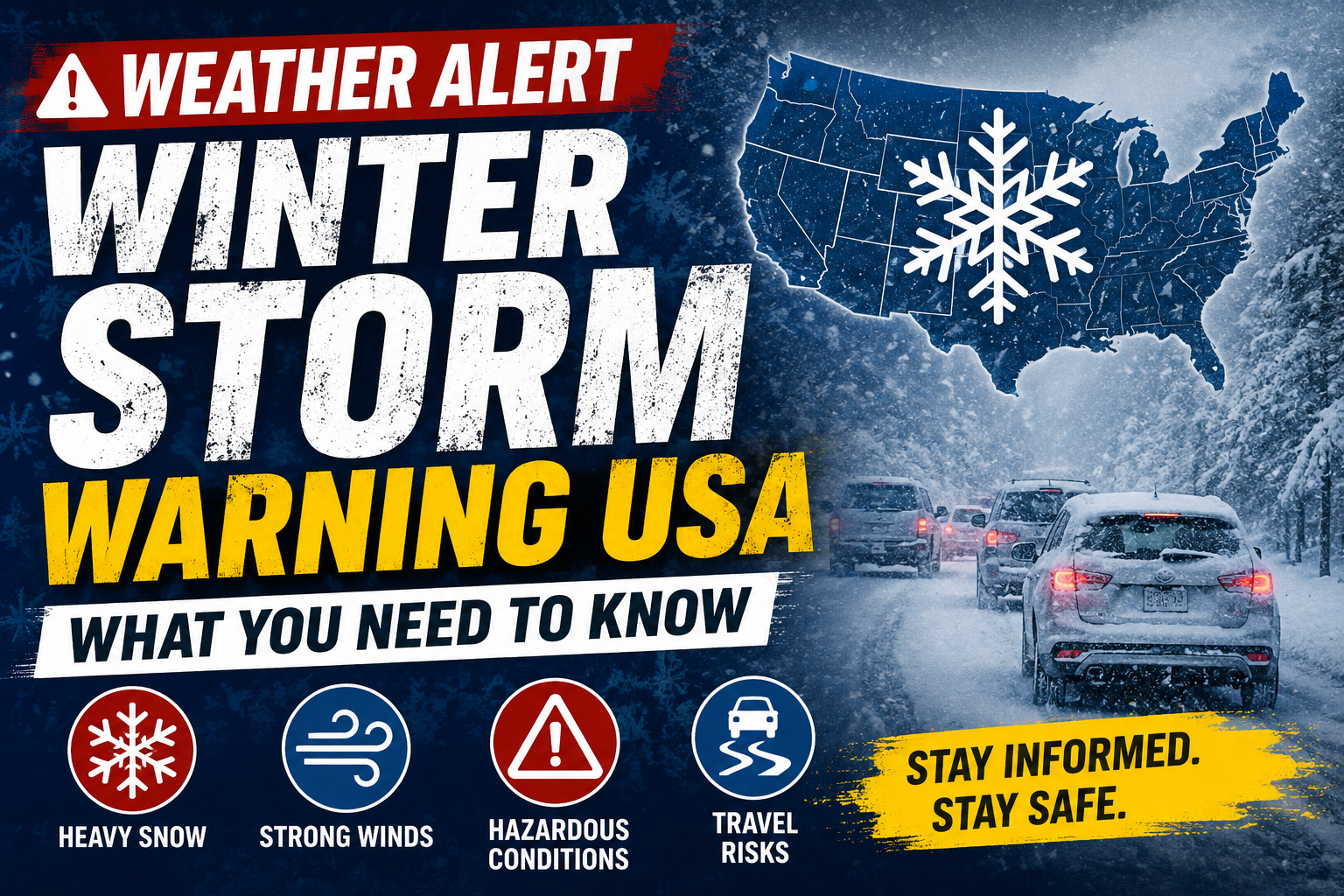
When the temperature drops and the sky turns gray, staying informed is your best defense. A weather winter storm warning USA alert serves as a vital signal that harsh conditions are headed your way. Being prepared is not just about stocking up on supplies; it is about feeling confident and secure when the elements turn against you.

This guide provides a clear roadmap to help your family navigate extreme cold with ease. We will explore how to interpret official alerts and take proactive steps to protect your home. Our goal is to ensure you feel empowered before the first snowflake even touches the ground.
By following these simple safety measures, you can turn a stressful event into a manageable situation. Let’s get started on building your plan for a safe and cozy season.
Key Takeaways
- Understand the difference between watches and official alerts.
- Create a comprehensive emergency kit for your household.
- Prepare your home to prevent frozen pipes and heat loss.
- Develop a communication plan for family members during outages.
- Stay updated using reliable local news and government sources.
Understanding the Weather Winter Storm Warning USA
When winter weather strikes, knowing the difference between alerts is your first line of defense. Meteorologists use specific terminology to communicate the severity of incoming systems across the country. Understanding the weather winter storm warning USA standards helps you prepare effectively before conditions deteriorate.
Defining a Winter Storm Warning
A winter storm warning is issued when hazardous winter weather is occurring, imminent, or highly likely. These events typically involve significant snowfall, sleet, or ice accumulation that poses a serious threat to life and property. When you see this alert, it means you should take immediate action to protect your home and family.
Authorities issue these warnings to signal that travel will become difficult or impossible. You should avoid unnecessary trips and ensure your emergency supplies are ready. Staying updated on a winter storm warning today is the best way to remain safe during extreme cold.
Difference Between Watches, Advisories, and Warnings
It is easy to confuse the various levels of weather alerts, but each serves a distinct purpose. A watch indicates that conditions are favorable for a storm, while an advisory suggests that conditions will cause significant inconvenience. A warning is the most urgent level, requiring immediate preparation.
| Alert Level | Meaning | Action Required |
|---|---|---|
| Watch | Conditions are possible | Stay alert and monitor updates |
| Advisory | Conditions are expected | Exercise caution and prepare |
| Warning | Conditions are occurring | Take immediate protective action |
By reviewing this table, you can quickly assess the level of risk in your area. Always prioritize the winter storm warning today over other alerts, as it represents the highest level of danger. Being proactive with this knowledge ensures you are never caught off guard by sudden shifts in the climate.
Decoding National Weather Service Alerts
Decoding the complex data behind a weather winter storm warning can feel overwhelming at first. However, understanding how these alerts are generated helps you make better decisions for your family. By relying on official science rather than social media speculation, you ensure your safety during extreme conditions.

How Meteorologists Predict Severe Winter Events
Meteorologists use a combination of advanced satellite imagery, ground-based radar, and high-speed computer models to track incoming systems. These tools allow experts to identify shifts in atmospheric pressure and temperature long before a storm hits your town. Precision is key when calculating the potential for heavy snowfall or dangerous ice accumulation.
Supercomputers process millions of data points to simulate how a storm might evolve over several days. This data is then analyzed by human forecasters who adjust predictions based on local terrain and historical patterns. This rigorous process ensures that the information you receive is as accurate as possible.
Interpreting Localized Weather Forecasts
When you see a winter storm warning weather alert, it is important to check the specific details for your county or city. Localized forecasts provide critical information about the timing, expected accumulation, and potential for power outages in your immediate area. Always visit official National Weather Service (NWS) websites to get the most reliable updates.
Avoid the temptation to rely on unverified posts from social media, which often lack context or scientific backing. Instead, look for official bulletins that clearly state the start and end times of the event. Following these verified sources is the best way to stay prepared for any weather winter storm warning that may impact your region.
Regional Impacts and Notable Winter Patterns
Regional climate differences dictate how we prepare for and respond to dangerous winter storms. While some areas are accustomed to heavy snow, others face sudden, life-threatening conditions that catch communities off guard. Understanding these nuances helps residents stay safe regardless of their location.

Winter Storm Warning Montana and Northern Rockies
In the Northern Rockies, extreme cold and heavy snowfall are a standard part of the season. A winter storm warning montana residents receive is often a signal to prepare for significant travel disruptions and dangerous wind chills. These high-altitude regions experience long, harsh winters that demand robust infrastructure and constant vigilance.
Preparation is the cornerstone of survival in these mountainous terrains. When a winter storm warning montana is issued, local authorities emphasize the need for reliable heating and emergency supplies. Residents in these areas are well-versed in managing deep snow and icy mountain passes.
Idaho Winter Storm Warning Trends
Idaho presents a unique set of challenges due to its diverse topography, ranging from high deserts to rugged mountain ranges. An idaho winter storm warning often highlights the risk of rapid temperature drops and sudden blizzard conditions. These events can shift quickly, making it difficult for commuters to navigate safely.
Staying updated on an idaho winter storm warning is essential for those living in the Treasure Valley or the higher elevations of the Sawtooths. Local meteorologists track these patterns closely to provide early alerts. Consistent monitoring of these trends allows families to secure their homes before the worst of the weather arrives.
The Reality of Winter Weather in the South
Winter weather in the Southern United States often arrives with little warning, leading to significant infrastructure strain. Unlike the North, Southern regions may lack the specialized equipment needed to clear ice from roads quickly. This makes even minor winter events feel like major emergencies for local communities.
“The greatest danger in the South during winter is the lack of familiarity with ice. When the roads freeze, the entire region must adapt instantly to avoid widespread accidents.”
— Regional Emergency Management Expert
| Region | Primary Hazard | Typical Response |
|---|---|---|
| Northern Rockies | Heavy Snowfall | Snowplow Deployment |
| Idaho | Rapid Icing | Road Salting |
| Southern States | Freezing Rain | Infrastructure Shutdown |
Essential Emergency Preparedness Kits
Building a reliable emergency preparedness kit is the most effective way to stay self-sufficient during harsh winter conditions. When severe weather strikes, having the right supplies at home can make all the difference for your family’s safety and comfort. By organizing these essentials in advance, you can remain calm even when external services are temporarily unavailable.

Stocking Non-Perishable Food and Water
A standard emergency plan should provide enough resources to sustain your household for at least 72 hours. Focus on stocking non-perishable food items that require little to no cooking, such as canned goods, protein bars, and dried fruits. Always remember to include a manual can opener in your kit.
Water is equally critical during a winter event. Aim to store at least one gallon of water per person per day for drinking and basic sanitation. Keep these supplies in a cool, dry place to ensure they remain safe for consumption when you need them most.
Heating Sources and Backup Power
Maintaining warmth is a top priority when the power grid fails during a storm. If you use a portable generator, never operate it indoors, in a garage, or near windows to avoid the risk of carbon monoxide poisoning. Always place the unit at least 20 feet away from your home.
Consider keeping alternative heating sources like wood-burning stoves or propane heaters designed for indoor use. Ensure you have a sufficient supply of fuel stored safely away from living areas. Regular maintenance of these devices is essential to ensure they function correctly when the temperature drops.
First Aid and Medication Essentials
Your emergency kit must include a well-stocked first aid box to handle minor injuries or health concerns. Include bandages, antiseptic wipes, pain relievers, and any prescription medications your family members require daily. It is wise to keep at least a one-week supply of essential prescriptions on hand during the winter months.
| Category | Essential Item | Quantity/Notes |
|---|---|---|
| Nutrition | Canned Goods | 3-day supply per person |
| Hydration | Bottled Water | 1 gallon per person/day |
| Safety | First Aid Kit | Include sterile bandages |
| Power | Flashlights/Batteries | Extra sets for devices |
Protecting Your Home During Extreme Cold
Protecting your property from the harsh effects of a deep freeze requires a bit of foresight and planning. Extreme cold can cause significant structural damage if you do not take preventative measures in advance. By focusing on key areas of your home, you can ensure safety and comfort throughout the winter season.

Preventing Frozen Pipes and Water Damage
Frozen pipes are a common cause of winter-related property damage that can lead to costly repairs. To prevent this, insulate exposed pipes in unheated areas like basements, attics, and crawl spaces. Using foam sleeves or heat tape provides an extra layer of protection against freezing temperatures.
During a severe cold snap, keep your thermostat set to the same temperature both day and night. You should also consider letting a small trickle of water run from faucets connected to pipes that run through exterior walls. This simple step helps relieve pressure and prevents the water inside from freezing solid.
Insulation Tips for Energy Efficiency
Keeping your home warm while reducing heating costs is a top priority during the coldest months. Start by checking for drafts around windows and doors using weatherstripping or caulk. Sealing these small gaps can make a noticeable difference in your home’s overall energy efficiency.
Consider installing thermal curtains to add another barrier against the biting cold. These heavy fabrics help trap heat inside your living spaces, allowing your furnace to work more effectively. Proper insulation is the most reliable way to maintain a cozy environment without breaking your budget.
Managing Roof Loads and Snow Accumulation
Heavy snow accumulation can put immense pressure on your roof, potentially leading to structural collapse. It is vital to monitor the depth of snow on your roof after every major storm. If the weight becomes excessive, you may need to hire a professional to clear it safely.
Never attempt to climb onto a slippery, snow-covered roof yourself, as this poses a significant safety risk. Instead, use a long-handled roof rake from the ground to remove snow from the edges. Staying vigilant about these loads will help protect your home from the weight of winter’s heaviest storms.
Safe Travel Practices in Winter Conditions
Navigating hazardous winter roads is a skill that every driver in the United States should master before the first snowflake falls. When a storm hits, the road conditions change rapidly, turning familiar routes into dangerous paths. Preparation and patience are your best tools for arriving at your destination safely.

Preparing Your Vehicle for Hazardous Roads
Before you head out, your vehicle needs a thorough inspection to handle the freezing temperatures. Start by checking your tire pressure, as cold air causes it to drop significantly. Ensure your tires have adequate tread depth to maintain traction on slick surfaces.
Don’t forget to test your battery, as extreme cold drains power faster than any other weather condition. It is also wise to top off your windshield washer fluid with a winter-rated formula that won’t freeze. A well-maintained car is much less likely to leave you stranded in the middle of a blizzard.
Driving Techniques for Ice and Deep Snow
Once you are on the road, your driving style must adapt to the environment. The most critical rule is to increase your following distance significantly. It takes much longer to stop on ice than on dry pavement, so give yourself plenty of room to react.
“When driving on snow or ice, accelerate and decelerate slowly. Applying the gas slowly to regain traction is better than jerking the wheel or slamming on the brakes.”
If you find yourself skidding, stay calm and steer gently in the direction you want the front of the car to go. Avoid using cruise control in winter conditions, as it can cause you to lose control if your tires hit a patch of black ice. Always keep your headlights on to ensure other drivers can see you through the falling snow.
What to Keep in Your Winter Car Emergency Kit
Even the most prepared drivers can get stuck during a severe storm. Having a dedicated emergency kit in your trunk can make a life-saving difference if you are forced to wait for help. Your kit should be easily accessible and include the following essentials:
- Warmth: Heavy blankets, extra hats, gloves, and hand warmers.
- Traction: A bag of sand or non-clumping kitty litter to help tires grip ice.
- Visibility: A high-powered flashlight with extra batteries and reflective flares.
- Tools: A sturdy ice scraper, a small shovel, and a portable phone charger.
- Sustenance: Non-perishable snacks like granola bars and bottled water.
By keeping these items in your vehicle, you ensure that you are ready for the unexpected. Stay alert, stay prepared, and prioritize your safety above all else when traveling during a winter storm.
Monitoring Wildlife and Nature During Storms
Winter storms do more than just affect our daily routines; they transform the lives of local wildlife. While we focus on our own comfort, the natural world outside is engaged in a constant struggle for survival. Observing these creatures can provide a grounding perspective on the true power of the elements.

Observing Big Bear Eaglets and Sandy
Many people find comfort and inspiration in watching live cams of nesting birds during harsh weather. The famous big bear eaglets have captured the hearts of viewers across the country as they endure freezing temperatures. Watching the mother, known as big bear eaglets sandy, protect her young provides a remarkable look at maternal instinct in the wild.
These broadcasts allow us to witness the resilience of nature from the safety of our homes. It is a powerful reminder that life persists even when the conditions seem impossible to overcome.
How Wildlife Adapts to Extreme Winter Weather
Animals have developed incredible biological strategies to survive the deep freeze. Some species enter a state of torpor or hibernation to conserve energy, while others grow thicker coats or change their hunting patterns. These adaptations are essential for maintaining body heat when food sources become scarce.
| Adaptation Type | Primary Benefit | Example Species |
|---|---|---|
| Hibernation | Energy conservation | Black Bears |
| Insulation | Heat retention | Arctic Foxes |
| Migration | Seeking food | Canada Geese |
Reporting Unusual Animal Behavior to Local Authorities
While nature is resilient, there are times when human intervention becomes necessary. If you notice an animal acting erratically, appearing injured, or showing signs of extreme distress, it is important to act responsibly. Do not attempt to handle wild animals yourself, as they may be dangerous or carry diseases.
Instead, contact your local wildlife agency or a licensed rescue organization. They have the training to assess whether an animal truly needs help or is simply displaying normal behavior for the season. Keeping a respectful distance ensures both your safety and the well-being of the animal.
Managing Digital and Communication Disruptions
Digital infrastructure is surprisingly fragile when faced with the weight of heavy ice and snow. While we often take constant connectivity for granted, severe winter storms can easily sever the links that keep our modern lives running smoothly. Preparing for these inevitable blackouts is a vital part of your overall winter safety strategy.

What to Do When Services Like DoorDash Go Down
When a major storm hits, delivery apps often suspend operations to keep drivers safe. Finding your DoorDash down during a blizzard can be stressful if you rely on takeout for your daily meals. It is essential to maintain a well-stocked pantry with non-perishable items that require little to no cooking.
Focus on keeping shelf-stable proteins, canned vegetables, and dry goods on hand throughout the winter months. Planning ahead ensures that you are not left scrambling for food when digital platforms are unavailable. Having a manual can opener and a simple camp stove can also make a significant difference when the power goes out.
Maintaining Communication Without Internet Access
When the internet goes dark, you must rely on traditional methods to stay in touch with loved ones. A battery-operated or hand-crank radio is an invaluable tool for receiving updates from local authorities. These devices work even when cell towers are overwhelmed or damaged by ice.
Consider establishing a pre-arranged communication plan with family members before the storm arrives. Designate an out-of-area contact person who can relay messages if local lines are congested. Keeping a physical list of important phone numbers is a simple yet effective way to ensure you can reach help when your digital contact list is inaccessible.
Alternative Ways to Receive Emergency Alerts
Community-based notification systems are often the most reliable way to stay informed during a crisis. Many neighborhoods utilize a chicken alert or similar informal messaging chain to warn neighbors about downed power lines or blocked roads. These grassroots networks provide real-time, localized information that official channels might miss.
Always keep a NOAA Weather Radio nearby to receive direct broadcasts from the National Weather Service. These radios provide critical warnings regardless of your home internet status. By combining community awareness with official alerts, you can navigate communication disruptions with confidence and safety.
Health and Safety Precautions for Families
When the temperature drops, your family’s health and safety become the absolute priority. Severe winter weather can create hazardous conditions that impact everyone in your home, from the youngest children to the most vulnerable pets. Taking proactive steps now can prevent emergencies later.

Recognizing Hypothermia and Frostbite Symptoms
Hypothermia occurs when your body loses heat faster than it can produce it. Watch for warning signs such as uncontrollable shivering, slurred speech, confusion, and extreme exhaustion. If you notice these symptoms, move the person to a warm room and remove any wet clothing immediately.
Frostbite typically affects extremities like fingers, toes, ears, and the nose. The skin may appear pale, gray, or blistered and will feel numb to the touch. Never rub the affected area, as this can cause further tissue damage; instead, warm the skin gradually with lukewarm water or body heat.
“The best way to survive a winter storm is to be prepared before the first snowflake falls.”
— National Safety Council
Safe Indoor Heating Practices to Prevent Carbon Monoxide
Carbon monoxide is a silent killer because it is colorless, odorless, and tasteless. During power outages, many families turn to alternative heating sources like generators, grills, or camp stoves. These devices must never be used inside the home, garage, or basement.
Always ensure your home has working carbon monoxide detectors on every level. If you must use a fireplace or wood stove, verify that the chimney is clear of debris and properly vented. Proper ventilation is the most effective defense against accidental poisoning during a storm.
Keeping Pets Safe During Severe Cold
Your pets rely on you to keep them comfortable when the mercury plummets. If your pets spend time outdoors, limit their exposure to short periods and watch for signs of shivering or distress. Provide extra bedding and ensure they have access to fresh, unfrozen water at all times.
Consider using pet-safe sweaters for short-haired breeds if they must go outside for bathroom breaks. Check their paws frequently for ice balls or salt irritation, which can be painful. By keeping your furry friends warm and dry, you ensure they stay healthy throughout the winter season.
Staying Informed with Real-Time Updates
Distinguishing between verified weather alerts and online rumors is a critical skill for modern safety. In an era where information travels instantly, knowing where to look for the truth can save you from unnecessary stress. By focusing on official data, you ensure your family remains prepared based on facts rather than speculation.
Utilizing Official Government Weather Channels
The most reliable way to track severe weather is through the National Weather Service (NWS) and NOAA. These agencies provide real-time updates that are vetted by professional meteorologists. You should bookmark your local NWS office website and follow their official social media accounts for the most accurate alerts.

Relying on government channels helps you avoid the confusion often found on community forums. These platforms offer specific details about storm paths, wind speeds, and expected snowfall. Consistency is key when you are trying to make important decisions about your family’s safety.
Verifying Information During Viral Events Like the Louisiana Meteor Fireball
Social media often amplifies dramatic events, which can lead to widespread panic. For instance, during the viral reports of the louisiana meteor fireball, many people struggled to determine if the event posed a local threat. It is essential to cross-reference such viral claims with official reports before sharing them or reacting with alarm.
“In the age of information, the ability to discern truth from noise is the most valuable tool for public safety.”
— Anonymous
When you see a sensational video or post, take a moment to verify the source. If an event like the louisiana meteor fireball is not mentioned by official weather or emergency management agencies, it is likely not a threat to your immediate safety. Staying calm and checking facts prevents the spread of misinformation.
The Importance of Reliable News Sources
Choosing reputable news outlets is vital for maintaining a clear perspective during a crisis. Established local news stations often work directly with emergency services to provide verified updates to the community. These sources have the infrastructure to confirm details that independent social media accounts might miss.
By prioritizing reliable news sources, you build a foundation of trust in the information you receive. This practice helps you avoid the pitfalls of clickbait and unverified rumors. Ultimately, your preparedness depends on your commitment to seeking out the truth during challenging weather events.
Conclusion
Winter weather demands respect and careful planning to keep your household secure. Proactive steps turn potential emergencies into manageable situations for every family member.
Building a robust emergency kit remains your best defense against unexpected power outages or blocked roads. Keep your supplies updated with fresh water, non-perishable food, and reliable heating backups. These simple actions provide peace of mind when temperatures drop.
Reliable information serves as your primary tool during severe storms. Rely on official updates from the National Weather Service to guide your decisions. Verify every alert through trusted news outlets to avoid confusion during fast-moving events.
Your commitment to safety protects those you love throughout the coldest months. Stay vigilant, monitor local conditions, and maintain your emergency gear regularly. Taking these measures ensures you remain ready for whatever the season brings.
Share these safety tips with your neighbors to build a stronger community response. Preparedness creates a safer environment for everyone in your area. Stay warm and prioritize your well-being as you navigate the winter season.
FAQ
What is the main difference between a watch and a weather winter storm warning?
A watch means that severe weather is possible, whereas a weather winter storm warning signifies that dangerous conditions are imminent or already occurring. When a winter storm warning weather alert is issued by the National Weather Service, it is time to take immediate action to stay safe and sheltered.
Where can I find out if there is a winter storm warning today for my local area?
The most reliable way to check for a winter storm warning today is to visit the official National Weather Service website or use a trusted weather app like The Weather Channel. These platforms provide real-time updates tailored to your specific zip code, ensuring you have the latest information on incoming snow and ice.
How do animals like the big bear eaglets handle extreme cold and snow?
Nature is incredibly resilient! For example, the famous big bear eaglets and their mother, Sandy, have specialized feathers and behaviors to stay warm. Fans of the big bear eaglets sandy livestream often see the parents sheltering the young ones from the wind and snow, demonstrating the amazing survival instincts of local wildlife during a storm.
Why are regional alerts like a winter storm warning montana or an idaho winter storm warning so common?
Certain geographic areas, particularly in the Northern Rockies, are prone to rapid weather shifts. A winter storm warning montana is frequently issued due to high-altitude cold fronts, while an idaho winter storm warning often involves heavy mountain snow that can impact travel on Interstate 15 and Interstate 84. Residents in these states are usually well-prepared for these recurring patterns.
What should I do if digital services like DoorDash down occur during a blizzard?
When you find DoorDash down or other delivery apps unavailable, it is usually because road conditions are too dangerous for drivers. This is why having a stocked pantry of non-perishable food is essential. During such times, some rural communities even rely on a chicken alert—a localized, community-based notification system—to check on neighbors when standard internet services fail.
Was the Louisiana meteor fireball related to any winter weather patterns?
No, the louisiana meteor fireball was an astronomical event and not related to the climate or a winter storm warning USA. However, it serves as a great reminder to always verify viral news through official scientific channels like NASA or the National Weather Service to ensure you are getting factual information during a crisis.
How can I keep my pipes from freezing during a severe cold snap?
To prevent water damage, keep your thermostat set to a consistent temperature and allow your faucets to drip slightly. Open cabinet doors under sinks to let warm air circulate around the plumbing. If you are under a weather winter storm warning, these small steps can prevent the massive headache of a burst pipe.